Using Retinoid During Summer: Your Ultimate Guide


Deanna Pai


Retinoids are an MVP skincare ingredient—and if you’re not yet using one, it might be time to incorporate this topical powerhouse into your skincare routine. But in practice, using retinoid during summer isn’t always that easy. The good news? It just requires a little calibration with your other skincare products—and lots and lots of sunscreen.
For the uninitiated, here’s the scoop: Retinoid treatments, a form of vitamin A, can level up your skincare routine, since they speed up skin cell turnover and help stimulate collagen production. (FYI: “Retinoids” is the umbrella term for both prescription-strength retinoids, such as tretinoin and Retin-A, and retinol, the over-the-counter derivative.) But using retinol products in the summer—aka prime time for sun exposure—can be tough. Read below for why that is and what you can do about it.
It's about glam time you treated yourself.
Join IPSY
MEET THE EXPERT
Deanne Mraz Robinson, MD, FAAD, is a cosmetic fellowship trained, board-certified, dermatologist with award-winning experience in medical, surgical and cosmetic dermatology.
Should You Even Use Retinoids in the Summer?
“Retinols increase the rate of skin cell turnover and regeneration, keeping pores clear and healthy skin cells at the surface,” says Deanne Robinson, MD, a board-certified dermatologist in Westport, CT. Not only does that help address things like breakouts and signs of aging, such as the appearance of fine lines, but retinoids can also help even out skin tone—including dark spots caused by acne.
Despite all of their anti-aging perks, however, they have a few side effects on the skin to keep in mind, including dryness, flakes, sensitivity, and even sun sensitivity. That basically leaves skin at risk of all types of sun damage, including sunburns and redness—for which many tend to be at a greater risk in the summer, when we’re spending weekends at the beach and chilling al fresco with friends.
This said, however, it’s not exactly an option to simply suspend retinol use during the summer months—since, of course, you’d be missing out on all those benefits. The good news? You can still use retinol in the summer, according to Dr. Robinson. “It is true they make your skin more vulnerable to the sun as they increase the skin cell turnover, but as long as you're using at least SPF 30 or more on your face with proper reapplication, you can continue using them all summer long,” she says.
How to Use a Retinoid in the Summer
This is retinoids 101, but in case you need a reminder: Use retinoids only at night, says Dr. Robinson. You don’t want sun exposure and retinoids to overlap, which can be a recipe for redness.
Then, “always wash your face in the a.m.,” she says. Washing with a gentle cleanser will ensure that any residual retinoids are removed for daytime. Also, scope out your skincare products and leave out formulations with potentially irritating ingredients, such as AHAs and vitamin C. (While exfoliation is still okay if your derm recommends it, consider doing it less often if you experience redness or stinging.)
Finally, stay on top of your sun protection—and make sure that it’s a broad-spectrum formula at the right SPF level. “I always, always, always use SPF 30 or higher,” says Dr. Robinson, who’s a fan of mineral sunscreens. In tweaking your routine accordingly, you can get the best of both worlds: the many perks of retinoids and a little fun in the sun.
Stay cool this summer with an IPSY Glam Bag! Take our Beauty Quiz now to get started. Already an Ipster? Refer your friends to earn points, which you can use toward products. Either way, don’t forget to check us out on Instagram and Twitter @IPSY.
Like this article? Share it with your friends by clicking the icons below!
Liked this post? Share!
Related Stories
Skin
Embracing Pro-Aging: A Positive Approach to Self-Care -2
Published on Mar 3, 2026 • 4 min read

Skin
Green Tea Is the Skincare Overachiever You Never Knew You Needed
Published on Feb 25, 2026 • 5 min read


Skin
[DEMO] What Is Alpha Arbutin? How to Work This Ingredient into Your Routine
Published on Feb 25, 2026 • 1 min read
Skin
What Is Alpha Arbutin? How to Work This Ingredient into Your Routine
Published on Feb 25, 2026 • 4 min read
Skin
Site Map Test Blog
Published on Jul 10, 2024 • 4 min read

Skin
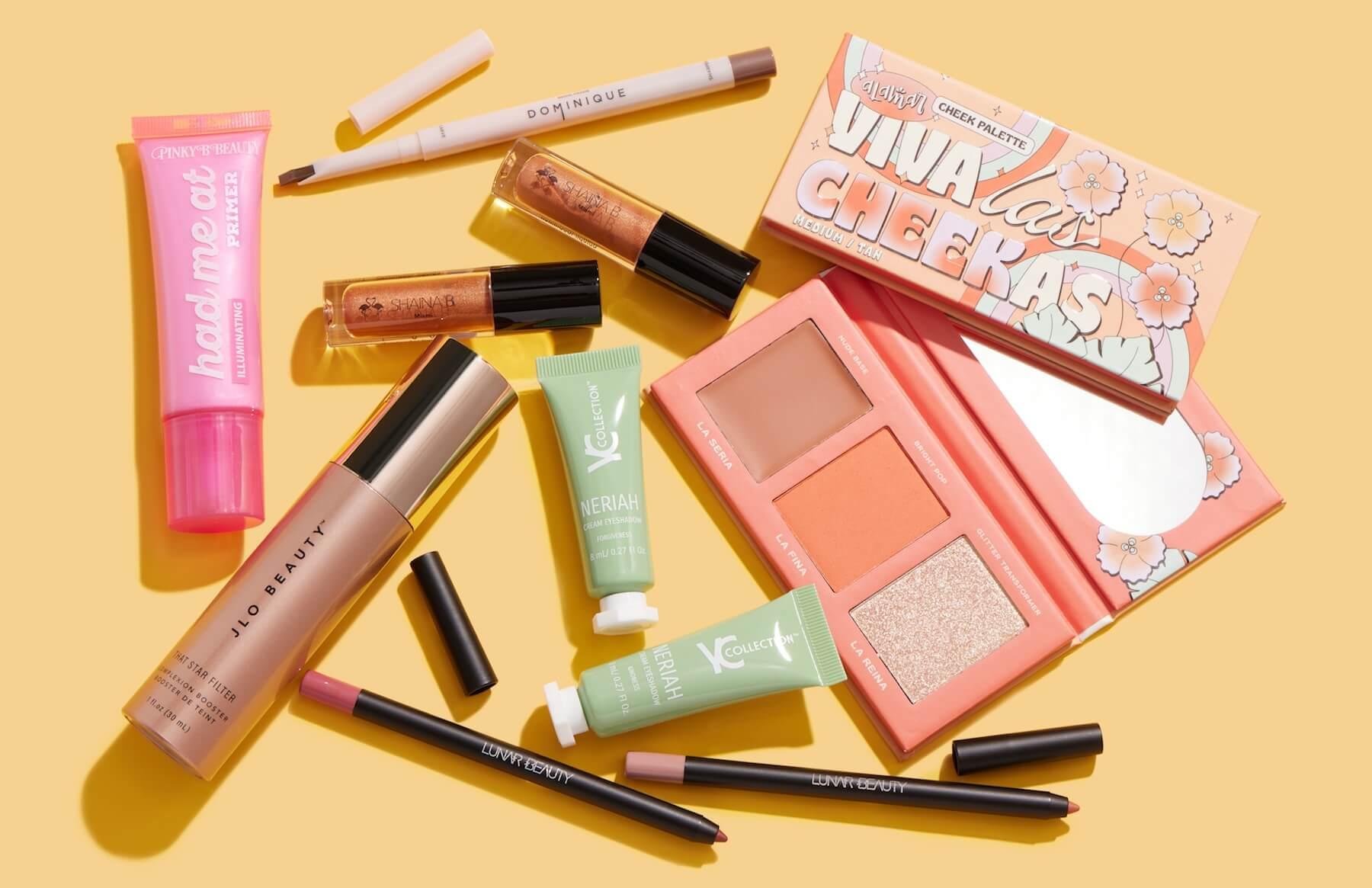
22 Latinx-Led Brands to Try Now and Forever
Published on May 27, 2025
Skin
Why Vitamin C is Vital to Your Skincare Routine
Published on Nov 13, 2024

Skin
14 Best Hyaluronic Acid Serums for Dewy, Hydrated Skin
Published on Nov 13, 2024
Beauty Picked Just for You
Get 5 products worth up to $70
Exclusive access to epic deals up to 80% off
Starting at just $15/month. Cancel anytime.