Hydration vs. Moisture: The Ultimate Skincare Battle Explained


Chelsea Hall

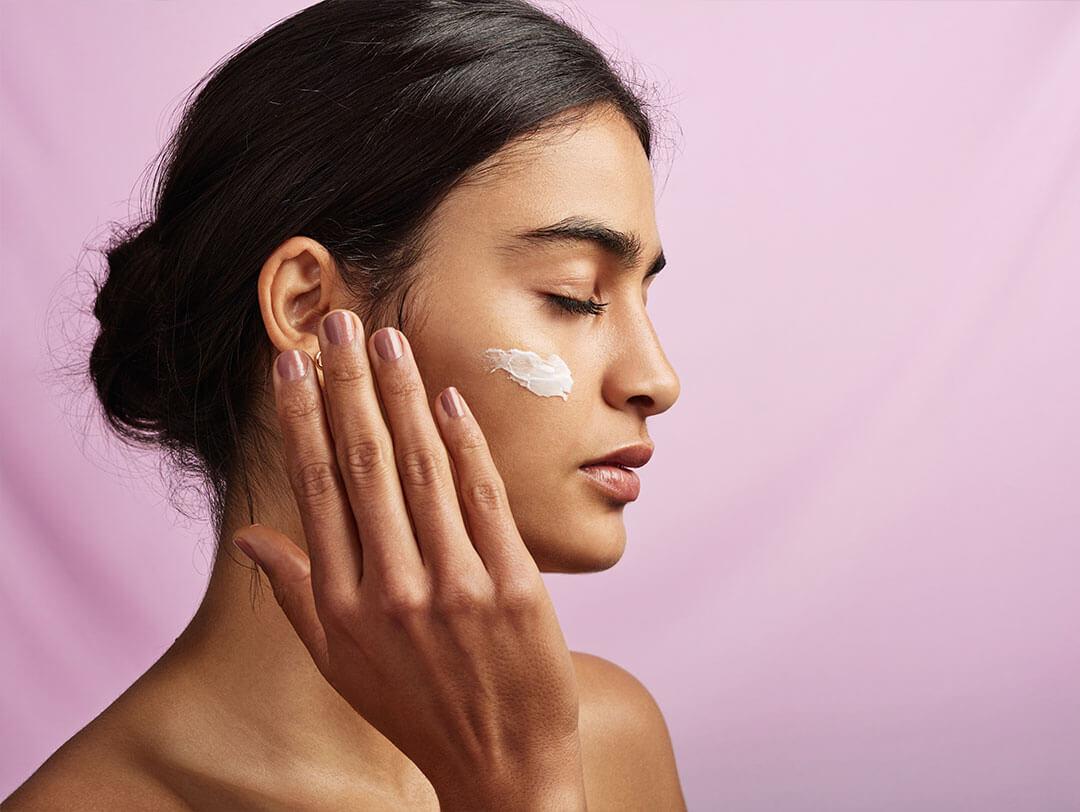
Understanding the difference between hydration and moisture is essential in the quest for radiant and healthy skin. You might have found yourself in the skincare aisle, overwhelmed by products promising to hydrate or moisturize your skin, but what's the difference? The term "hydration" pertains to the amount of water present in your skin cells, helping to keep skin plump, elastic, and resilient from the inside out. On the other hand, moisture involves creating a protective barrier on the skin's surface to lock in that precious hydration and prevent it from escaping. It's a classic case of hydration vs. moisture; knowing how they complement each other can transform your skincare routine.
Dry skin can affect any skin type, leading to a compromised skin barrier that feels tight and looks dull—the secret lies in using the right combination of skincare products with hydrating and moisturizing ingredients. Hydrating products often include components such as glycerin and hyaluronic acid, which draw water into the skin cells. Moisturizing ingredients, such as ceramides and shea butter, form a nourishing layer on the skin's surface to seal in hydration and maintain the skin's protective barrier. By balancing these elements, you can achieve a well-rounded skincare routine that addresses dehydration and dryness, ensuring your skin stays radiant and healthy. Ahead, with the help of a dermatologist, we've created the ultimate guide to understanding hydration vs. moisture and how to tailor these concepts to your daily skincare needs.
About the Expert:
Nava Greenfield, MD, is an NYC-based board-certified dermatologist practicing at Schweiger Dermatology Group.
What Is Moisturizer?
A moisturizer is your skin's best friend, designed to keep it smooth, supple, and well-nourished. But what exactly does it do? According to dermatologist Nava Greenfield, MD, "Moisturizers, or emollients, are products that create a barrier or seal between the skin and environment which locks in water and moisture into the skin and prevents evaporation." Think of your skin as a sponge; it needs water to stay plump, but without a seal, that water evaporates quickly, leaving the sponge dry and brittle. Moisturizers come to the rescue by forming a protective layer on the skin's surface, ensuring that the hydration from your hydrating products stays put. Whether you have dry, oily, or combination skin, incorporating a good moisturizer into your skincare routine is essential for maintaining a healthy complexion.
When to Use a Moisturizer
Knowing when to use a moisturizer is key to unlocking its full benefits for your skin. "Depending on skin type, one can use a moisturizer twice daily after a shower or cleansing when skin is still moist and towel dried," explains Dr. Greenfield. This timing is perfect because your skin is most receptive to absorbing moisture right after cleansing, making it the ideal moment to lock in all that hydration.
Dr. Greenfield recommends the REN CLEAN SKINCARE Evercalm Overnight Recovery Balm as a stellar example of an excellent emollient. "This luxurious balm combines a unique blend of naturally derived oils that serves as a blanket over the skin, preventing water loss and locking moisture in," says Dr. Greenfield, ensuring your skin wakes up feeling nourished and refreshed.
What Is a Hydrator?
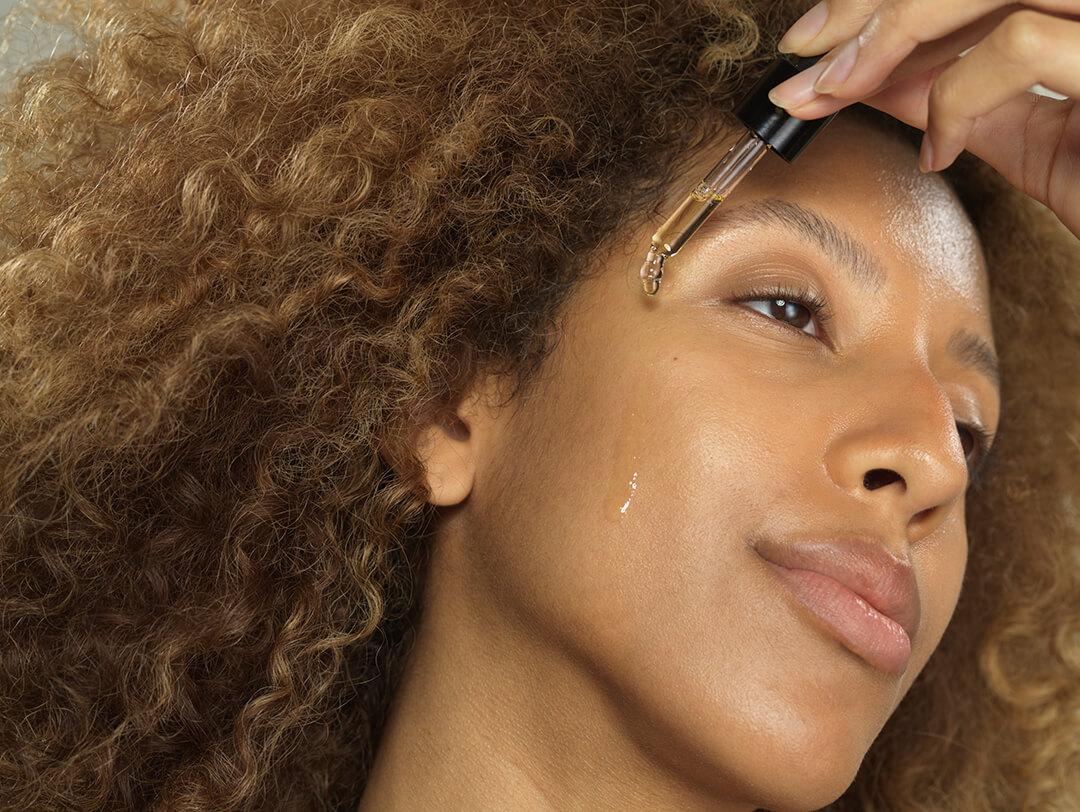
A hydrator is a true hydration hero for your skin, working wonders to keep it plump and refreshed. "A hydrator, or humectant, is a product that adds substances to the skin which attract and hold on to water, directly adding water content and moisture to the skin layer of cells," says Dr. Greenfield.
Think of a hydrator as a magnet for moisture, drawing in water from the environment and delivering it straight to your thirsty skin cells. It helps to boost your skin's hydration levels from the inside out, ensuring it stays dewy and vibrant. Popular hydrating ingredients include hyaluronic acid, glycerin, and aloe vera, which are commonly found in serums, gels, and lightweight lotions. Incorporating a hydrator into your skincare routine gives your skin the ultimate drink it needs to stay healthy and radiant.
When to Use a Hydrator
Using a hydrator is essential for keeping your skin refreshed and glowing. "One can use a hydrator similarly to a moisturizer twice daily. Although a hydrator works differently, it moisturizes the skin," says Dr. Greenfield. Incorporate a hydrator into your morning and evening skincare routines to give your skin the moisture boost it craves.
A fantastic example is the GROWN ALCHEMIST Skin Renewal Day Cream, which Dr. Greenfield recommends. "This cream incorporates glycerin, which acts as a humectant, and also peptides and antioxidants such as green tea and echinacea for skin hydration, enhanced barrier function, and protection from environmental damage throughout the day," explains Dr. Greenfield. By using a product like this, you can enjoy the benefits of deep hydration while also fortifying your skin's protective barrier and defending against daily stressors.
What’s the Difference Between a Hydrator and a Moisturizer?
Understanding the difference between a hydrator and a moisturizer is crucial for achieving flawless skin. "The difference is a hydrator adds water content to the skin while the moisturizer seals it in and prevents water loss," says Dr. Greenfield. Essentially, a hydrator replenishes your skin's moisture levels, giving it that plump and dewy look. In contrast, a moisturizer acts like a protective shield, ensuring the hydration stays locked in. Think of it as a two-step process: hydrate to infuse your skin with water and moisturize to keep that hydration from escaping. Together, they ensure your skin remains beautifully balanced, hydrated, and nourished for the long haul.
Ready for more skincare (and other beauty products) curated just for you? Take our Beauty Quiz now to get started with your own IPSY beauty subscription. Already an IPSY member? Refer your friends to earn points, which you can use toward products. Either way, don’t forget to check us out on Instagram and TikTok @IPSY.
Like this article? Share it with your friends by clicking the icons below!
Liked this post? Share!
Related Stories
Skin
Embracing Pro-Aging: A Positive Approach to Self-Care -2
Published on Mar 3, 2026 • 4 min read

Skin
Green Tea Is the Skincare Overachiever You Never Knew You Needed
Published on Feb 25, 2026 • 5 min read
Skin
[DEMO] What Is Alpha Arbutin? How to Work This Ingredient into Your Routine
Published on Feb 25, 2026 • 1 min read
Skin
What Is Alpha Arbutin? How to Work This Ingredient into Your Routine
Published on Feb 25, 2026 • 4 min read
Skin
Site Map Test Blog
Published on Jul 10, 2024 • 4 min read

Skin
22 Latinx-Led Brands to Try Now and Forever
Published on May 27, 2025
Skin
Why Vitamin C is Vital to Your Skincare Routine
Published on Nov 13, 2024

Skin
14 Best Hyaluronic Acid Serums for Dewy, Hydrated Skin
Published on Nov 13, 2024